Why the Mediterranean Diet Works: and Why It Tastes Like Home
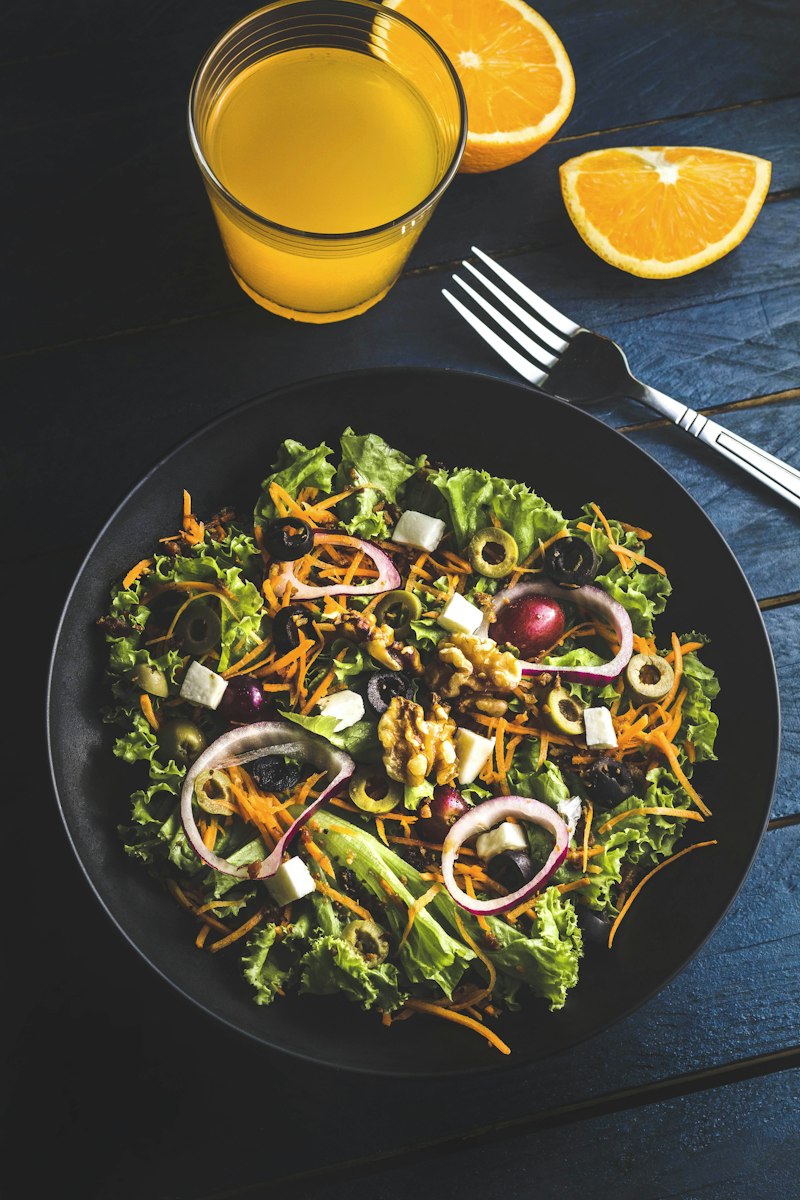
There's a reason your grandmother never counted macros. She didn't need to. She cooked with olive oil, fresh vegetables, legumes, whole grains, and lean proteins: not because a nutritionist told her to, but because that's how her mother cooked before her, and her mother before that.
That way of eating has a name now. Scientists call it the Mediterranean diet. Your jeddo just called it lunch.
The science caught up to the kitchen
In January 2026, Italian scientific societies and the National Institute of Health published new national guidelines on the Mediterranean diet: the most comprehensive to date. Their conclusion: this way of eating has broad preventive and therapeutic benefits across chronic diseases, and should be integrated into clinical practice and public health policy.
This isn't a trend. It's the most researched dietary pattern in history.
The numbers back it up. The American Heart Association recommends it as the preferred eating pattern for adults managing type 2 diabetes, citing a 29% reduction in cardiovascular events over nearly five years. The PREDIMED-Plus study: following almost 5,000 people: found that when combined with portion control and movement, it cuts type 2 diabetes risk by 31%. Research published in Frontiers in Nutrition in 2026 shows a steady annual increase in studies linking the Mediterranean diet to better health outcomes.
And a 2025 systematic review in Nutrients found a significant association between sticking to this diet and better quality of life: especially physical health.
The underlying reason is straightforward. The Mediterranean diet is rich in fiber, monounsaturated fats, and phytochemicals. It's low in saturated fat. It feeds your gut microbiome the things it actually needs. It doesn't starve you. It nourishes you.
What does it actually look like on a plate?
Forget the clinical language for a second. A Mediterranean meal looks like this:
Balila for breakfast: chickpeas with garlic, cumin, olive oil, served with Arabic bread and fresh vegetables. Summac eggs with brown bread. Grilled proteins with tabbouleh and fattoush. Lentil soup. Hummus. Labneh. Fresh salads dressed in lemon and olive oil.
It looks like Lebanese food. Because Lebanese food is Mediterranean food: it always has been.
The tragedy of the modern "diet food" industry is that it took something beautiful: generations of home cooking rooted in whole ingredients: and turned it into bland, calorie-counted containers of boiled chicken and brown rice. It stripped the soul out of eating well.
You don't need to eat boring food to eat well. You need to eat real food. The kind your grandparents made.
Why this matters in the UAE
Dubai is one of the fastest-growing cities in the world, and its residents are among the busiest. Long work hours, frequent dining out, and easy access to processed convenience food have made it harder to eat the way the science says we should.
The UAE has one of the highest rates of type 2 diabetes in the world. Cardiovascular disease is the leading cause of death in the region. These are exactly the conditions the Mediterranean diet is proven to help prevent and manage.
But the solution isn't another restrictive meal plan that makes you dread lunchtime. The solution is food that's actually good: food you look forward to: that also happens to be exactly what your body needs.
This is what Jeddo George is
Jeddo George isn't a diet company. We're a family that cooks. Every meal is prepared fresh daily in our kitchen in Al Quoz: never frozen, no preservatives, no added sweeteners. The recipes come from three generations of Lebanese home cooking: the same dishes that families across the Mediterranean have been eating for centuries.
When you open your JG container in the morning, you're not eating a "meal plan." You're eating what your jeddo would have made you: portioned, packed, and delivered to your door before you wake up.
Three plans, all rooted in the same philosophy:
The Original: the full Lebanese table experience. Breakfast, lunch, dinner, two snacks, and a side salad. 1,400 to 2,150 calories. From AED 77 per day.
The Low Cal: the same flavors, carefully portioned. Breakfast, lunch, dinner, one snack, and a side salad. 1,150 to 1,550 calories. From AED 76 per day.
The Low Carb High Protein: lean proteins, fresh vegetables, no rice or bread. Breakfast, lunch, dinner. 1,000 to 1,500 calories. From AED 107 per day.
All three are flexible. Pause, skip, or cancel anytime. No contracts, no cancellation fees. We deliver across all seven UAE emirates.
The bottom line
The Mediterranean diet isn't new. It's ancient. And the science keeps confirming what Lebanese grandmothers have known forever: cook with real ingredients, eat together, and don't overthink it.
If you've been looking for a way to eat better without hating your meals, you already know what the answer looks like. It looks like home.
Ready to try it? Explore our plans or download the Jeddo George app to get started.